

Steps to Assess Roof Damage: A Practical Guide for Roof Damage Evaluation

When it comes to maintaining your home or business, the roof is one of the most important parts to keep in good shape. A damaged roof can lead to leaks, structural problems, and costly repairs if not addressed quickly. Knowing how to assess roof damage yourself can save you time and money, and help you decide when to call in the professionals. In this post, I’ll walk you through the essential steps for a thorough roof damage evaluation. This guide is designed to be clear, straightforward, and easy to follow.
Why Roof Damage Evaluation Matters
Your roof protects everything inside your home or business. When it’s damaged, even small issues can turn into big problems fast. That’s why a regular roof damage evaluation is crucial. It helps you catch issues early, avoid expensive repairs, and keep your property safe and dry.
A good roof damage evaluation involves checking for visible signs of wear and tear, understanding what caused the damage, and deciding on the best next steps. Whether it’s from a recent storm, aging materials, or poor installation, knowing the condition of your roof helps you make smart decisions.
How to Perform a Roof Damage Evaluation
Performing a roof damage evaluation doesn’t have to be complicated. You can do a lot of it yourself with some basic tools and safety precautions. Here’s a step-by-step approach:
Start with a Visual Inspection from the Ground
Use binoculars if you have them. Look for missing, cracked, or curling shingles. Check for dark spots or streaks that might indicate water damage or algae growth. Also, look for debris or branches that could have fallen on the roof.
Check the Gutters and Downspouts
After a storm, gutters often collect broken shingles, granules, or other debris. This can be a sign of roof damage. Make sure gutters are clear and water flows freely.
Look for Signs of Water Damage Inside
Go inside your home or business and check the ceilings and walls for water stains, mold, or peeling paint. These are signs that water might be leaking through the roof.
Inspect the Roof Surface Up Close
If it’s safe, climb a ladder to get a closer look. Walk carefully on the roof and check for soft spots, loose shingles, or damaged flashing around chimneys and vents.
Document Everything
Take photos and notes of any damage you find. This will be helpful if you need to file an insurance claim or hire a contractor.
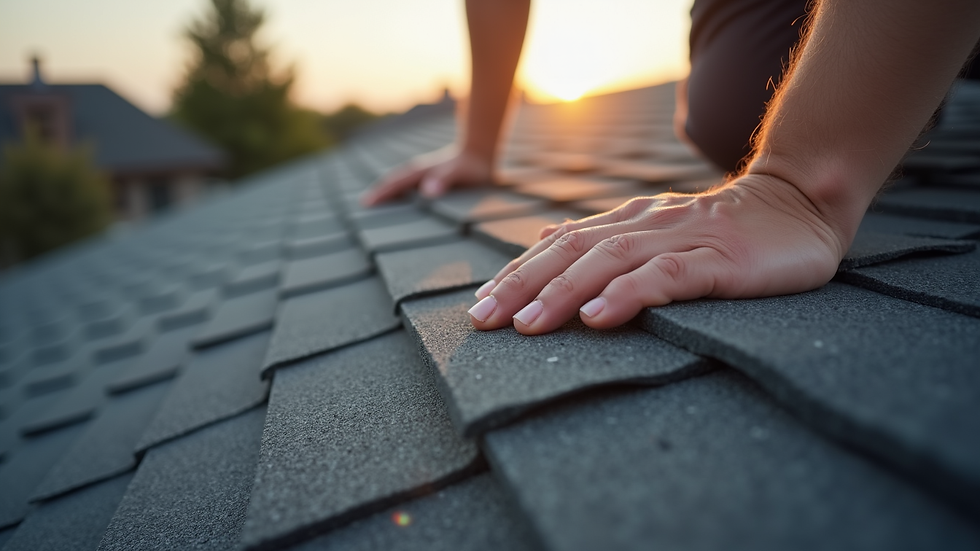
How to Check a Roof for Damage?
Checking a roof for damage requires a careful and systematic approach. Here’s how I recommend doing it:
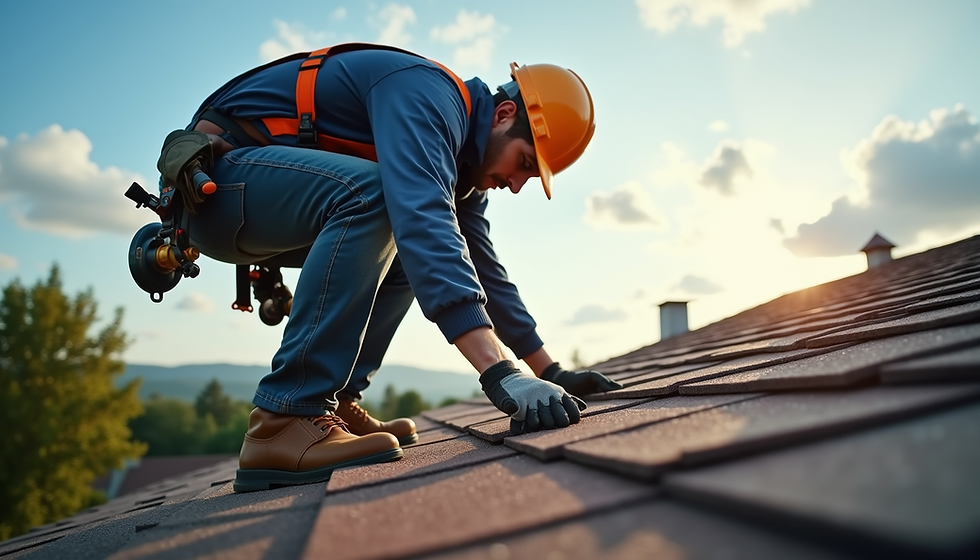
Safety First: Always use a sturdy ladder and wear non-slip shoes. If the roof is steep or slippery, consider hiring a professional.
Look for Missing or Damaged Shingles: Shingles protect your roof from rain and wind. Missing or broken shingles leave your roof vulnerable.
Check for Cracks or Blisters: These can indicate that the roofing material is aging or has been exposed to extreme weather.
Inspect Flashing and Seals: Flashing is the metal around chimneys, vents, and skylights. Damaged flashing can cause leaks.
Examine the Roof Valleys: These are the areas where two roof slopes meet. They are prone to damage and leaks.
Look for Moss or Algae Growth: While not always harmful, moss can trap moisture and damage shingles over time.
If you spot any of these issues, it’s time to take action. Remember, early detection is key to preventing bigger problems.
Common Signs of Roof Damage to Watch For
Knowing what to look for can make your roof damage evaluation easier. Here are some common signs that your roof might need repair:
Shingle Damage: Missing, cracked, or curling shingles are a clear sign.
Granule Loss: If you find granules in your gutters, your shingles may be deteriorating.
Water Stains: Inside your home, water stains on ceilings or walls indicate leaks.
Sagging Roof Deck: A sagging roof means structural damage and needs immediate attention.
Damaged Flashing: Rusted or bent flashing can cause leaks.
Daylight Through Roof Boards: If you can see light coming through the roof boards in the attic, your roof is compromised.
Increased Energy Bills: Damaged roofs can reduce insulation efficiency, causing higher heating or cooling costs.
Spotting these signs early can save you from costly repairs later.

When to Call a Professional for Roof Damage Assessment
While you can do a lot of the initial inspection yourself, some situations require a professional’s expertise. Here’s when you should call in the experts:
After Severe Weather: Storms, hail, or heavy winds can cause hidden damage.
If You Notice Structural Issues: Sagging or soft spots on the roof need professional evaluation.
For Large or Complex Roofs: Bigger roofs or those with multiple slopes and features are harder to inspect safely.
If You’re Uncomfortable with Heights: Safety is the top priority.
For Insurance Claims: A professional report can support your claim.
A professional roof damage assessment ensures nothing is missed and helps you get the right repairs done.
Taking Action After Your Roof Damage Evaluation
Once you’ve completed your roof damage evaluation, it’s time to decide what to do next. Here are some practical steps:
Make Temporary Repairs: If you find small leaks or loose shingles, you can often fix these temporarily with roofing tape or sealant.
Schedule a Professional Inspection: For a thorough check and repair estimate.
Contact Your Insurance Company: If the damage is due to a storm or other covered event.
Plan for Repairs or Replacement: Depending on the extent of the damage, you may need minor repairs or a full roof replacement.
Keep Records: Save all photos, notes, and receipts related to your roof damage evaluation and repairs.
Taking prompt action helps protect your property and keeps your roof in good condition.
Performing a roof damage assessment is a smart move to protect your investment. By following these steps, you can spot problems early and make informed decisions. Remember, your roof is your first line of defense against the elements. Keep it strong, and it will keep you safe.
If you’re in South Atlanta and need help with exterior renovations or roofing services, don’t hesitate to reach out to trusted local experts. A well-maintained roof means peace of mind for years to come.


Comments