

Steps to Assess Roof Damage: A Practical Guide for Roof Damage Evaluation

Updated: Mar 24
When it comes to maintaining your home or business, the roof is one of the most important parts to keep in good shape. A damaged roof can lead to leaks, structural problems, and costly repairs if not addressed quickly. Knowing how to assess roof damage properly can save you time, money, and stress. In this post, I’ll walk you through the essential steps to evaluate your roof’s condition effectively. Whether you’re dealing with storm damage or just routine wear and tear, these tips will help you understand what to look for and what to do next.
Understanding Roof Damage Evaluation
Before climbing up or calling a professional, it’s important to understand what roof damage evaluation involves. This process means carefully inspecting your roof to identify any signs of damage or weakness. It’s not just about spotting missing shingles or obvious holes. You need to look for subtle clues that could indicate bigger problems.
For example, small cracks in shingles, granule loss, or curling edges might seem minor but can lead to leaks if ignored. Roof damage evaluation also includes checking the roof’s structure, gutters, and flashing to ensure everything is intact. By knowing what to look for, you can catch issues early and avoid expensive repairs later.
Key points to remember:
Look for both obvious and subtle signs of damage.
Check all parts of the roof, including shingles, flashing, gutters, and vents.
Take notes or photos to document what you find.
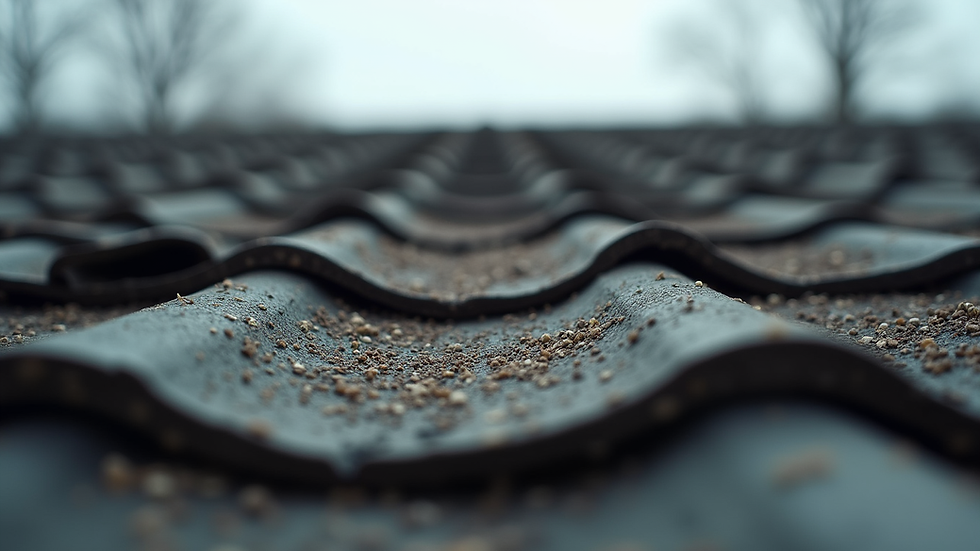
How to Check a Roof for Damage?
Checking a roof for damage might sound intimidating, but it’s easier than you think if you follow a few simple steps. Safety is the first priority. If you’re not comfortable climbing a ladder or walking on the roof, consider hiring a professional. But if you decide to do it yourself, here’s how to proceed:
Start with a Ground Inspection
Walk around your property and look up at the roof. Use binoculars if needed. Look for missing, cracked, or curling shingles. Check for dark spots or streaks, which can indicate water damage or algae growth.
Inspect the Attic
Go inside your attic and look for signs of leaks, such as water stains, mold, or damp insulation. This can help you spot damage that isn’t visible from the outside.
Climb Up Safely
If you feel safe, use a sturdy ladder to get closer to the roof. Walk carefully and avoid stepping on weak spots. Look for damaged flashing around chimneys, vents, and skylights.
Check Gutters and Downspouts
Clear out debris and look for granules from shingles in the gutters. This can be a sign of shingle wear.
Document Everything
Take photos and notes of any damage you find. This will be helpful if you need to file an insurance claim or hire a contractor.
Remember, a thorough roof damage assessment is about being detailed and cautious. Don’t rush the process.
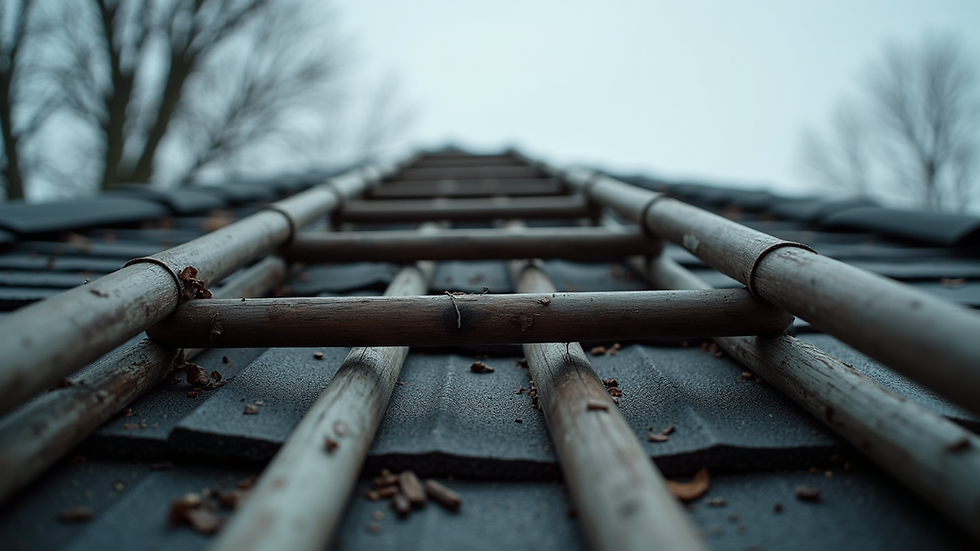
Common Signs of Roof Damage to Look For
Knowing what to look for can make your roof damage evaluation much easier. Here are some common signs that your roof might need repair or replacement:
Missing or Broken Shingles: Wind, hail, or falling branches can knock shingles loose or break them.
Curling or Buckling Shingles: This often means the shingles are old or exposed to too much heat.
Granule Loss: If you find granules in your gutters or on the ground, your shingles are deteriorating.
Water Stains or Leaks Inside: Water marks on ceilings or walls indicate roof leaks.
Damaged Flashing: Flashing seals roof joints. If it’s cracked or loose, water can seep in.
Sagging Roof Deck: This is a serious issue that suggests structural damage.
Moss or Algae Growth: While not always harmful, moss can trap moisture and damage shingles over time.
If you spot any of these signs, it’s time to take action. Early detection can prevent bigger problems.
When to Call a Professional for Roof Damage Assessment
While you can do a lot on your own, some situations require expert help. If you’re unsure about the extent of the damage or if you notice serious issues like sagging or large leaks, it’s best to call a professional. A licensed roofing contractor has the tools and experience to perform a detailed roof damage assessment and recommend the right repairs.
Professionals can also help with insurance claims by providing detailed reports and photos. This can make the process smoother and ensure you get the coverage you deserve.
Here are some signs you should call a pro:
Extensive shingle damage or missing sections.
Visible sagging or structural issues.
Large or multiple leaks inside your home.
Damage after a severe storm or hail event.
You’re uncomfortable or unsafe inspecting the roof yourself.
Getting a professional opinion early can save you money and stress in the long run.
Tips for Maintaining Your Roof After Damage Assessment
Once you’ve assessed your roof and made any necessary repairs, maintaining it is key to extending its life. Here are some simple tips to keep your roof in good shape:
Regular Inspections: Check your roof at least twice a year, especially after storms.
Clean Gutters: Keep gutters clear to prevent water backup and damage.
Trim Overhanging Branches: This prevents damage from falling limbs and reduces moss growth.
Remove Debris: Leaves and dirt can trap moisture and cause rot.
Address Small Issues Quickly: Fix minor problems before they become major repairs.
By staying proactive, you can protect your investment and avoid costly surprises.
Taking the Next Step After Your Roof Damage Evaluation
After you’ve completed your roof damage evaluation, it’s time to decide on the next steps. If the damage is minor, you might be able to handle repairs yourself or schedule a quick fix with a local contractor. For more serious damage, getting multiple quotes from trusted roofing professionals is a smart move.
Remember, your roof protects everything inside your home or business. Don’t delay repairs or ignore warning signs. A thorough and timely roof damage evaluation helps you make informed decisions and keeps your property safe and secure.
If you want expert help with your roof damage assessment or repairs, consider reaching out to a trusted local company that specializes in exterior renovations. They can provide a detailed inspection, quality repairs, and peace of mind.
By following these steps, you’ll be well on your way to understanding your roof’s condition and making smart choices for its care. A well-maintained roof means a safer, more comfortable home or business for years to come.


Comments